Zimní tábor
Náš oddíl letos samostatný zimní tábor sice nepořádá, ale spojíme své síly s oddílem Sedmička, který s námi sdílí klubovnu.
Tábor se bude konat tradičně v období jarních prázdnin (členům, kteří nepojedou, chci připomenout, že v době prázdnin není schůzka, stejně jako neměla být schůzka během podzimních prázdnin – pozn. Kabzula), mohou jet jak oddíloví, tak neoddíloví.
O případném zájmu, prosím, informujte co nejdříve.
Výprava do hvězdárny
V neděli se vypravíme do Planetária v Porubském lese na představení Astronaut. Pěkně se projdem, něco zahrajem, prohlédneme si nově zrekonstruované planetárium… prostě paráda!
- Sraz: neděle 27.9. v 12:30 u klubovny
- Návrat: kolem 17:00 tamtéž (dle počasí si něco zahrajem venku nebo v klubovně)
- S sebou: svačinku, pití, věci na procházku do lesa a pláštěnku (!)
Finance nejsou třeba. Vstupenka bude hrazena z dotace. Ale prosím, potvrďte nejpozději v sobotu účast. Díky 🙂
Už se na vás těším,
Maja
Výprava 12. 9.
Půjdeme n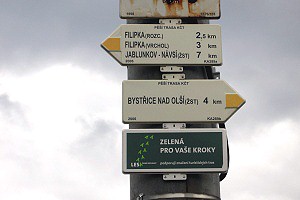 a takový lehký zahřívací turistický výlet. Trasa je dlouhá jen 8,8 km. Začátek Hrádek ve Slezsku – po zelené na Filipku a zpět po žluté do Návsí. Trasa je dostupná i pro pohybující se na kolečkách (kočárky).
Tato akce je určena úplně všem, kdo budou chtít jít. Velkým i malým Stopařům, jejich kamarádům, rodičům i dalším spřízněným duším. Tak neváhejte a přiberte, koho můžete.
- Sraz: sobota 12.9. v 8:00 na nádraží Ostrava-Svinov (Severní vchod = první vchod od tramvají)
- Návrat: sobota 12.9. v 16:18 tamtéž
- Cena: 120 Kč na jízdné
- S sebou: oblečení na celodenní pobyt venku, turistické boty, do batůžku pláštěnku, jídlo a pití na celý den, něco na případné přioblečení.
Prosím o potvrzení účasti do čtvrtka 10.9. do 18:00 (připomínám konání zahajovací schůzky).
Přejeme všem krásný den, doufáme, že se zjevíte v hojném počtu a těšíme se na vás,
Maja & Srnka
Zahajovací schůzka 2015/2016
Zahajovací schůzka proběhne v klubovně ve čtvrtek 10.9. od 17 do 18 hodin. Domluvíme si tam termíny schůzek a další věci.
Expedice (8.-10. 5. 2015)

TNV Klokočov
21. – 23. 3. 2014
- Sraz: pátek 21. 3. 2014 v 16:30 na nádraží Ostrava – Svinov
- Návrat: neděle 23. 3. 2010 v 15:12 tamtéž
- Finance: 150,- Kč
- Na sebe: krojovka, pevné boty
- S sebou: trhák, tužka, úvazek, baterka, pláštěnka, spacák, věci na spaní, věci na převlečení do chaty a ven, ešus, lžíce, nůž, hygienické potřeby, přezůvky
- Jídlo:
- Jednotlivec: vlastní večeře a pití na pátek, 6 krajíců chleba, paštika, mazací sýr, buchty, 5 sáčků čaje, 10 dkg cukru, 2 brambory
- Družina: lemona, 1 polévka v sáčku – gulášovka, rýže, 20 dkg sýru na strouhání, masovka, mražená zelenina
- Informace: Maja (Zuzka Tvrdá), tel.: 608 171 544, e-mail: tom.stopari@centrum.cz
Možné také vystoupení čočkového kabaretu Dobroslava Molínka „Povětroň“ s hity jako „Čtrnáctý den luštěniny“, „Ve stínu keře čočky“ a „Hrachoví rebelové“. Změna programu vyhrazena.
České středohoří – podzimky 2013
Letošní zájezd o podzimních prázdninách směřuje do severních Čech do Litoměřic a Českého středohoří.
Na programu je mnoho zajímavých turistických míst a památek jako je hora Říp nebo pevnost a památník Terezín.
Pro děti a vedoucí oddílu je cena zájezdu částečně dotována.
Uskuteční se ve dnech 26. – 30. října 2013.
Hradec nad Moravicí (8.6.2013)
VÝPRAVA SE RUŠÍ!!! V Hradci je podle nejnovějších zpráv pořád škaredě a zítra mají být dokonce bouřky. Doufám že si to vynahradíme jiný víkend.
Sraz: V sobotu 8.6.2013 v 8:20 na nádraží Ostrava- Svinov
Návrat: 16:03 tamtéž
Finance: 120 kč,-
Na sebe: Oblečení dle počasí, pevnou obuv
S sebou: Svačina na celý den, pití, oplatky, pláštěnku, trhák a tužku, šátek, kapesné dle uvážení.
Pokud nám to počasí dovolí, zajedeme se v sobotu podívat za kulturou. Zámek v Hradci nad Moravicí je moc krásný a rozhodně stojí za návštěvu. Tak doufám, že se nás sejde co nejvíce a pěkně si sobotu užijeme.
Sraz k 45. výročí založení oddílu
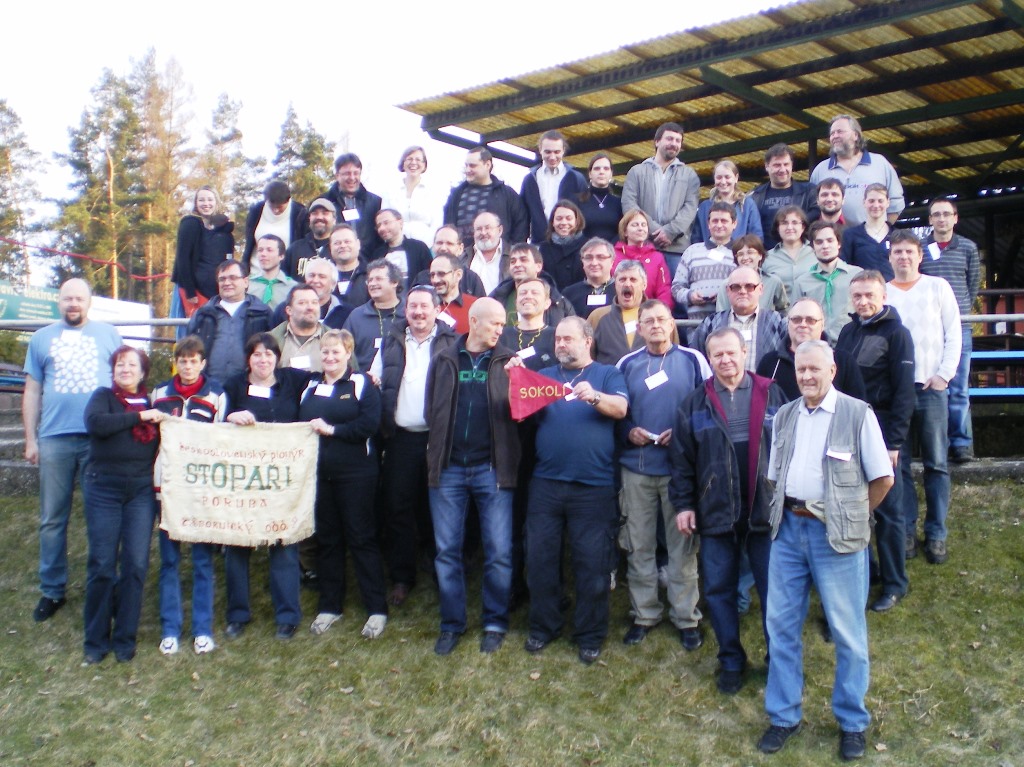
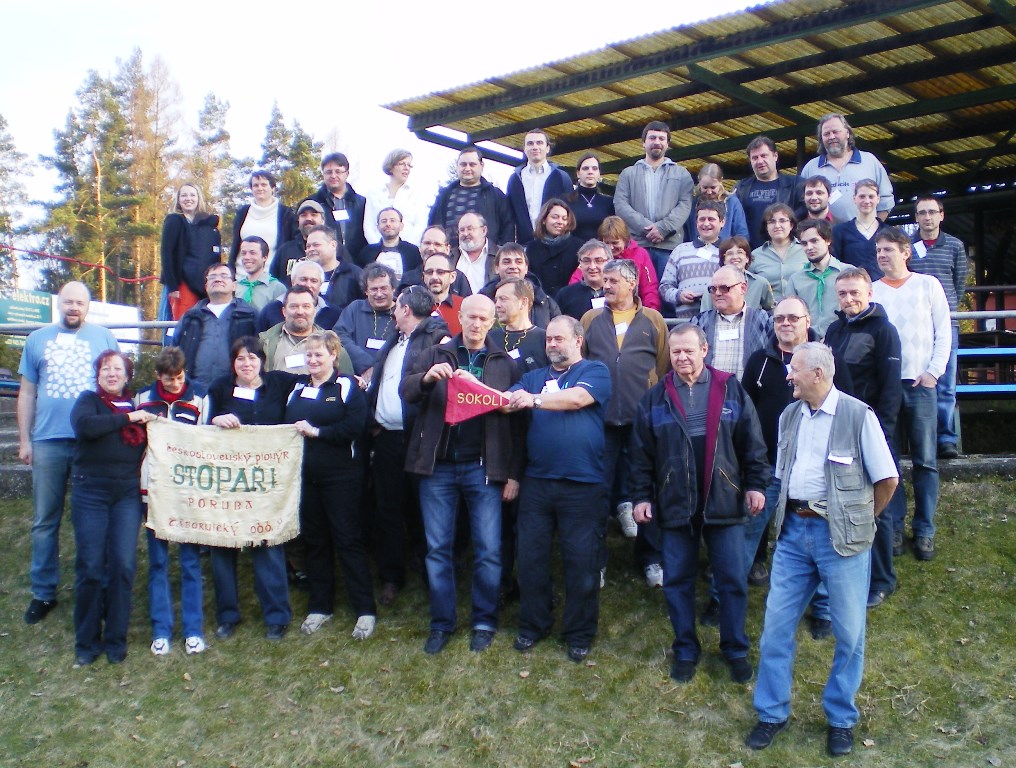
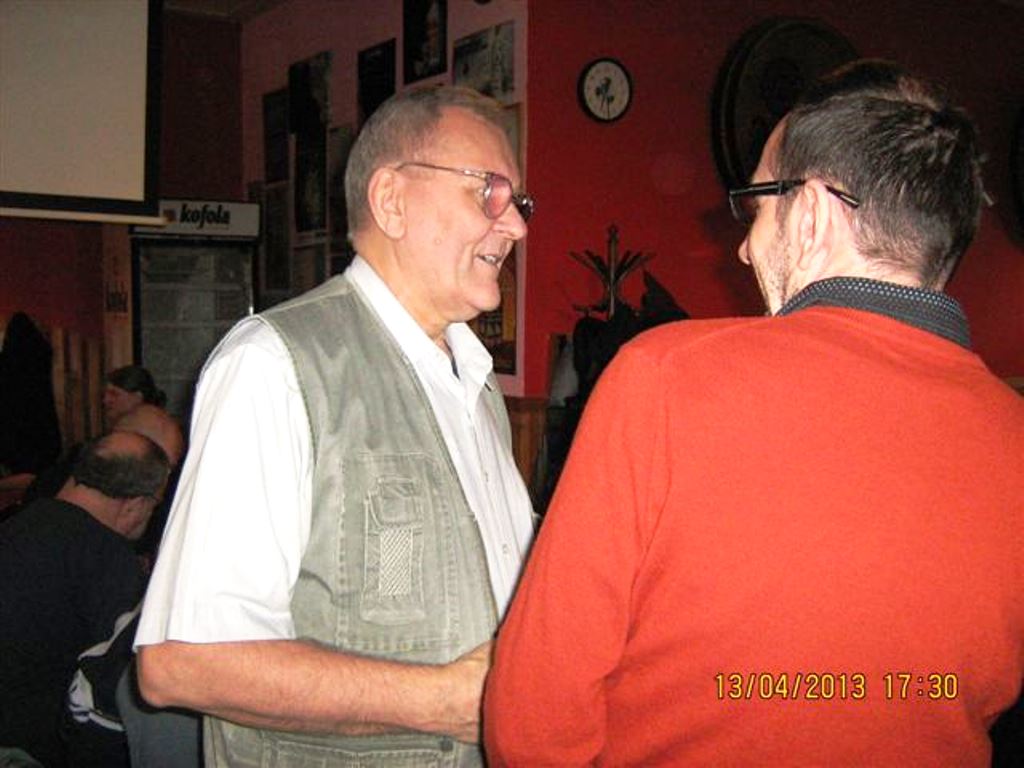
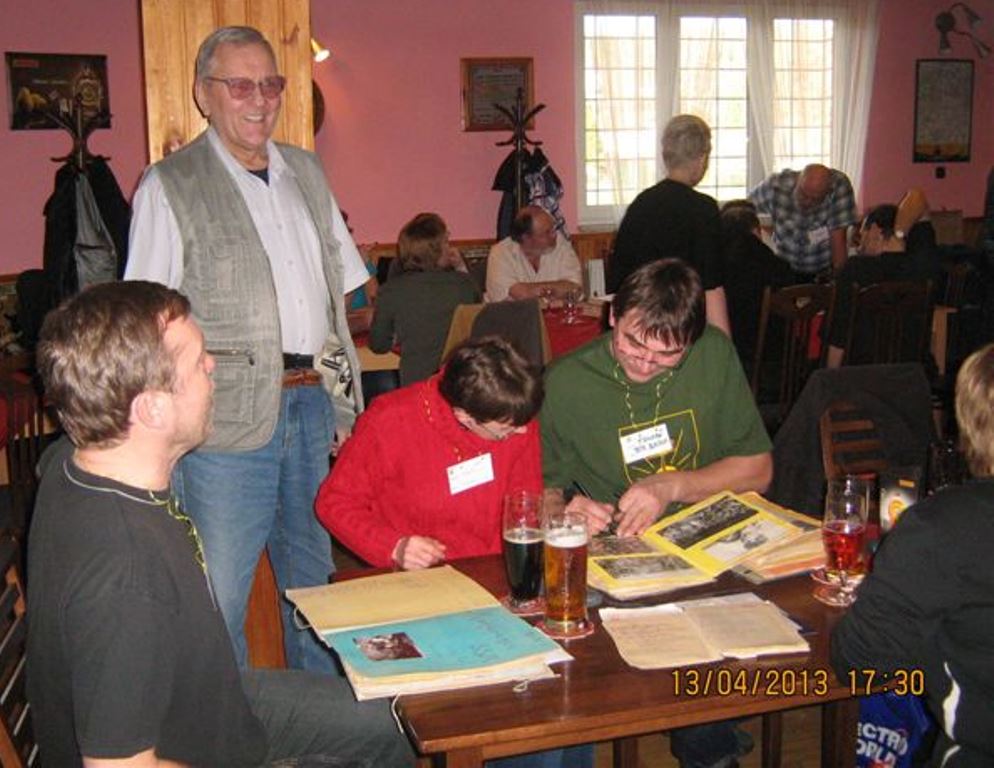
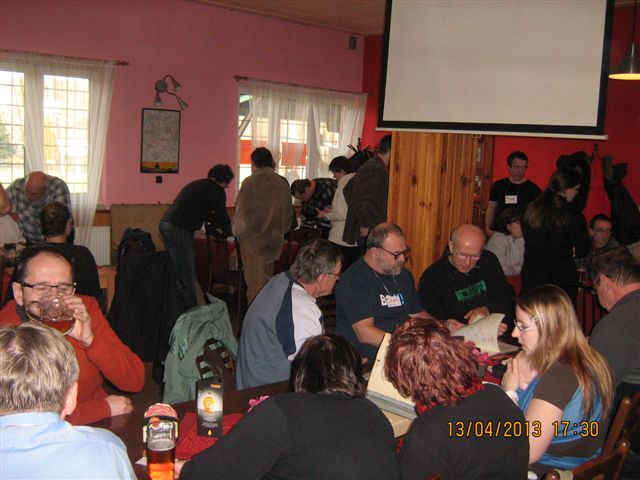
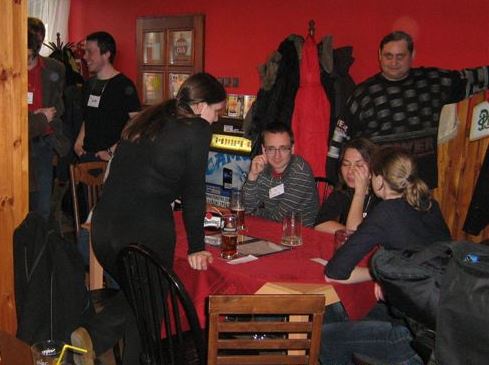
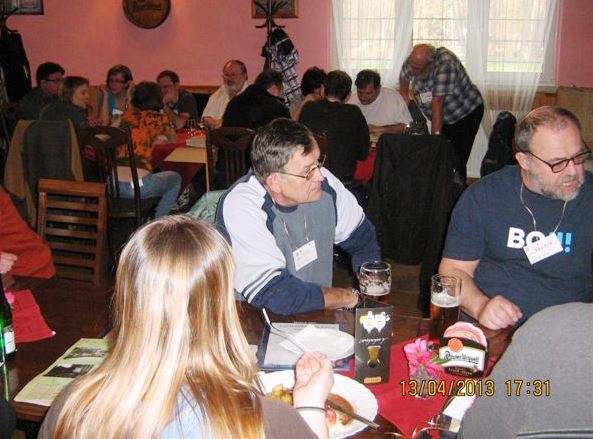
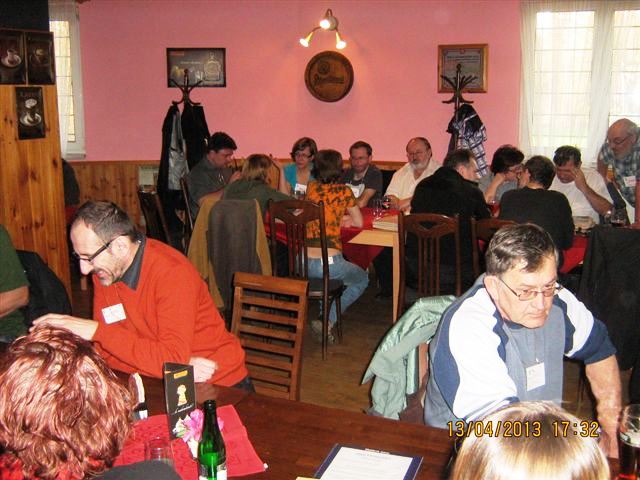
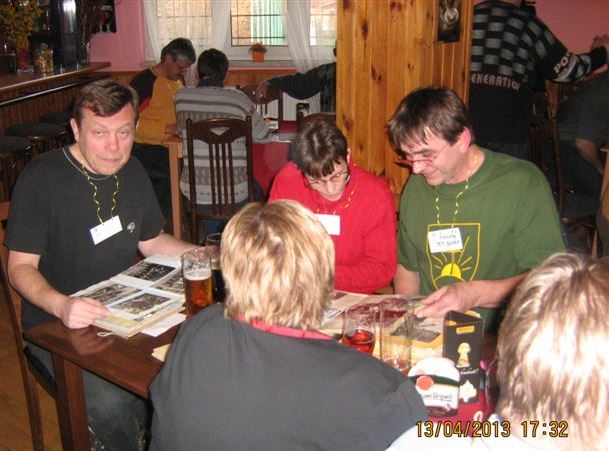
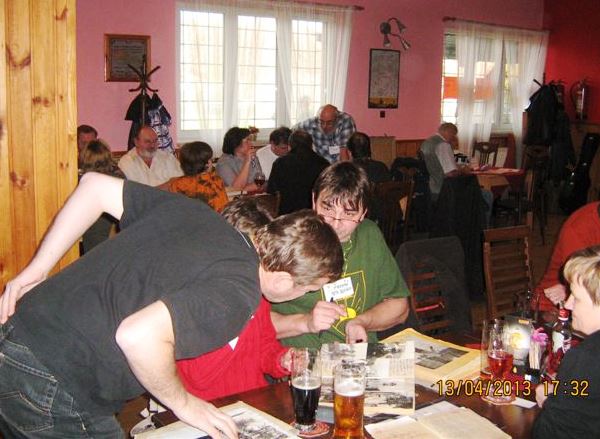
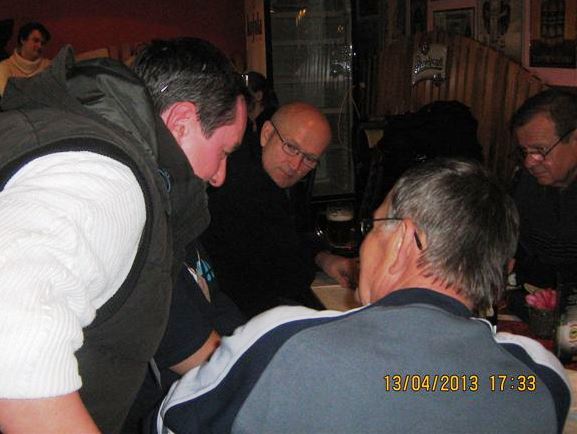
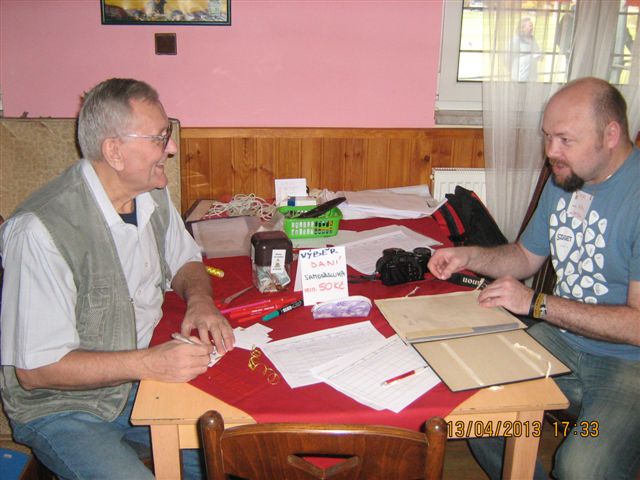
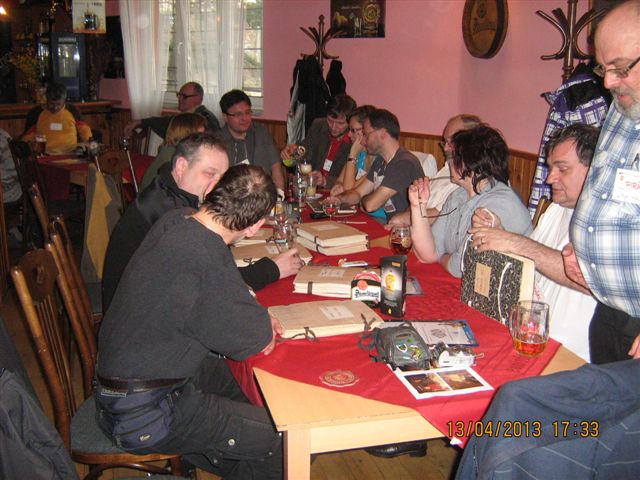
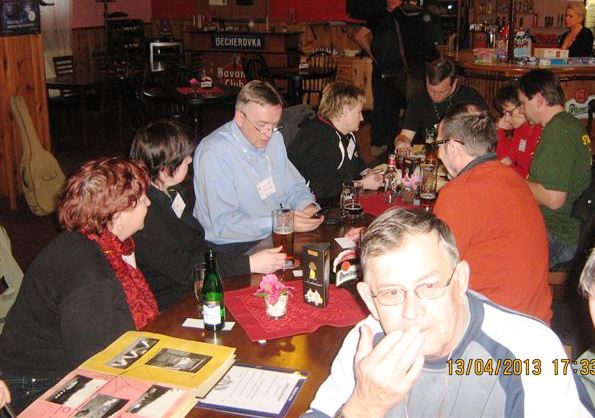
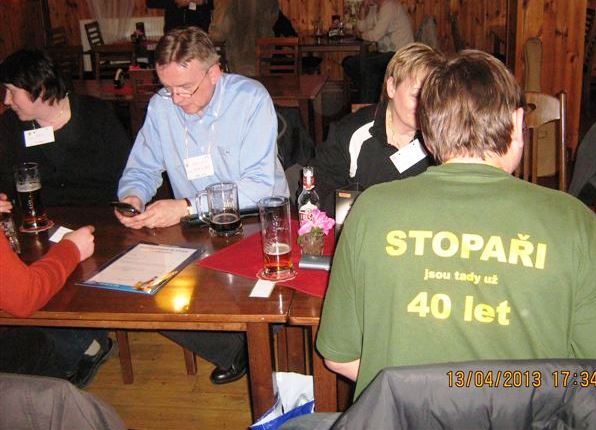
V sobotu 13. dubna se v Dolní Lhotě uskutečnil výroční oddílový sraz – Stopaři oslavili své 45. narozeniny. Oslavám velela samotná Bagheera a sešli se členové a bývalí členové napříč všemi generacemi od založení až po oddílovou současnost.
Účast byla velmi slušná, nicméně doufáme, že u příštího srazu a oslavy oddílových kulatých padesátin bude ještě větší.